The 12 Easiest Houseplants for Beginners
The 12 easiest houseplants for beginners, with a quick-compare table of light needs, watering, and which are toxic to cats and dogs.
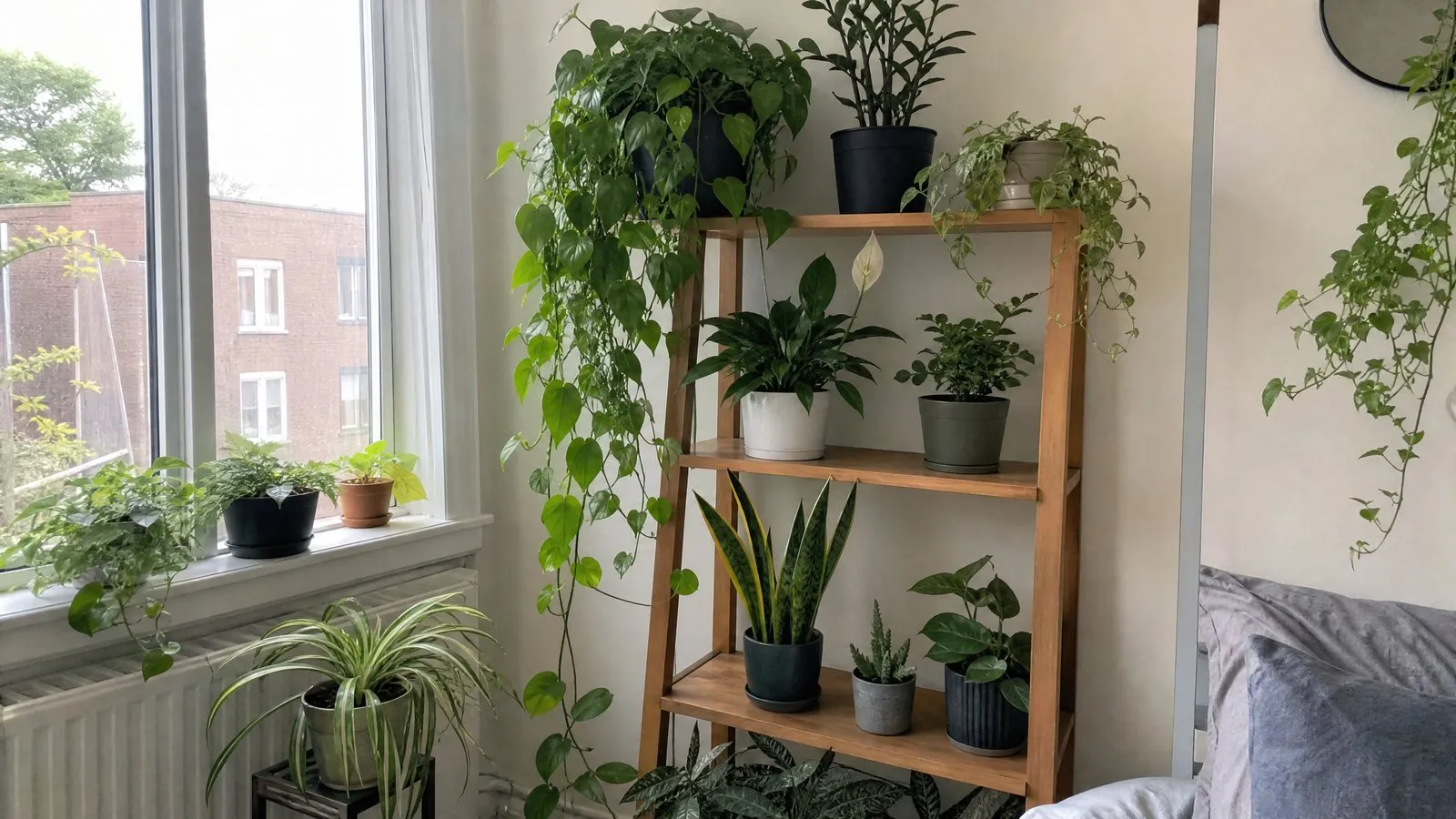
If you’ve killed a plant (or five), start with one of these twelve. They forgive missed waterings, tolerate less-than-perfect light, and bounce back from beginner mistakes that would sink a fussier plant. Below you’ll find a quick-compare table, then a short profile of each one, including which are safe around cats and dogs.
A quick note on toxicity: the pet-safety column follows the ASPCA’s toxic plant list. “Toxic” usually means mouth irritation, drooling, or an upset stomach if your pet chews the leaves, not a guaranteed emergency, but it’s worth knowing before you buy. If your cat or dog eats part of a plant and seems unwell, call your vet or an animal poison control line.
The 12 easiest houseplants at a glance
| Plant | Light | Water (let soil…) | Toxic to cats & dogs? |
|---|---|---|---|
| Pothos | Low to bright indirect | Dry out top 1–2 in, every 7–14 days | Yes |
| Snake plant | Low to bright indirect | Dry out almost fully, every 10–21 days | Yes |
| ZZ plant | Low to bright indirect | Dry out top 2 in, every 14–21 days | Yes |
| Spider plant | Medium to bright indirect | Dry out top 1 in, every 7–10 days | No (pet-safe) |
| Peace lily | Low to medium indirect | Keep lightly moist, every 7–10 days | Yes |
| Heartleaf philodendron | Low to bright indirect | Dry out top 1–2 in, every 7–14 days | Yes |
| Chinese evergreen | Low to medium indirect | Dry out top 1–2 in, every 7–14 days | Yes |
| Cast iron plant | Low to medium indirect | Dry out top 2 in, every 10–21 days | No (pet-safe) |
| Rubber plant | Medium to bright indirect | Dry out top 1–2 in, every 7–14 days | Yes |
| Dracaena | Low to bright indirect | Dry out top 2 in, every 10–14 days | Yes |
| Monstera | Medium to bright indirect | Dry out top 1–2 in, every 7–14 days | Yes |
| Hoya | Medium to bright indirect | Dry out almost fully, every 10–18 days | No (pet-safe) |
Watering ranges are a starting point, not a rule. A plant in a warm, bright room drinks faster than the same plant in a cool, dim one. Always check the soil with your finger before you water, rather than watering on a fixed day. If you want a reminder system that adapts, see How Often Should You Water Houseplants? and our free Watering Planner.
The 12 plants, one by one
1. Pothos (Epipremnum aureum)
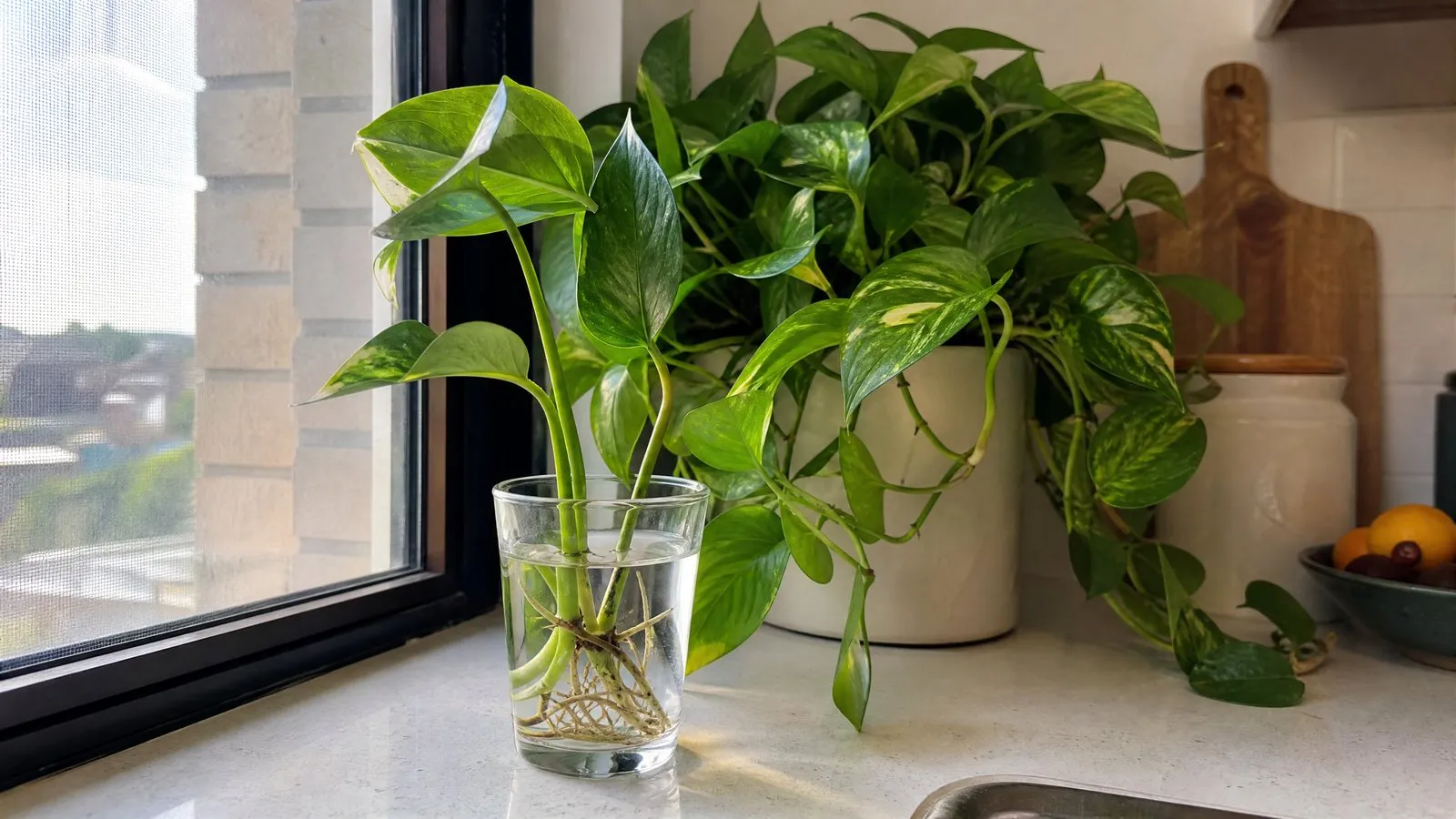
The classic first plant, and for good reason. Pothos grows in almost any light from low to bright indirect, trails happily from a shelf, and tells you clearly when it’s thirsty by going slightly limp, then perks up within hours of watering.
- Light: Low to bright indirect. Golden and variegated types keep their color better in brighter spots.
- Water: Let the top 1–2 inches dry out, usually every 7–14 days.
- Good to know: Easy to propagate in water from a cutting below a node.
- Pets: Toxic to cats and dogs (contains insoluble calcium oxalates).
Want the full routine? See our Pothos Care guide.
2. Snake plant (Dracaena trifasciata)
Nearly impossible to underwater and a champion of low light. The stiff, upright leaves store water, so the main way people kill it is by watering too often. When in doubt, wait.
- Light: Low to bright indirect. It tolerates dim corners better than almost anything.
- Water: Let the soil dry out almost completely, roughly every 10–21 days. Cut back hard in winter.
- Good to know: Use a gritty, fast-draining mix to avoid rot.
- Pets: Toxic to cats and dogs (saponins).
More detail in Snake Plant Care.
3. ZZ plant (Zamioculcas zamiifolia)
Glossy leaves, thick underground rhizomes that store water, and a near-total tolerance for neglect. The ZZ is a great pick for a low-light office or a bathroom with a small window.
- Light: Low to bright indirect.
- Water: Let the top 2 inches dry out, usually every 14–21 days.
- Good to know: Slow grower; don’t mistake its patience for a problem.
- Pets: Toxic to cats and dogs (calcium oxalates).
4. Spider plant (Chlorophytum comosum)
One of the most forgiving pet-safe choices. It grows fast, makes baby plants (“spiderettes”) you can pot up for free, and recovers quickly from a missed watering.
- Light: Medium to bright indirect.
- Water: Let the top inch dry out, about every 7–10 days.
- Good to know: Brown leaf tips are common and usually cosmetic, often from fluoride or salt buildup. Occasional flushing with water helps.
- Pets: Not toxic to cats or dogs per the ASPCA.
See Spider Plant Care and how to grow new plants from babies.
5. Peace lily (Spathiphyllum)
The most honest plant on this list: it droops dramatically when thirsty and stands back up within hours of watering. That feedback makes it great for learning to read a plant, even though it likes a little more moisture than the others.
- Light: Low to medium indirect. It flowers more in brighter (but not direct) light.
- Water: Keep lightly moist; water when the top inch starts to dry, around every 7–10 days.
- Good to know: It enjoys higher humidity. Our guide on raising humidity covers what actually works.
- Pets: Toxic to cats and dogs (calcium oxalates).
If yours droops or won’t bloom, read Peace Lily Care.
6. Heartleaf philodendron (Philodendron hederaceum)
Often confused with pothos, and just as beginner-friendly. The leaves are thinner, softer, and heart-shaped, and it trails or climbs with ease.
- Light: Low to bright indirect.
- Water: Let the top 1–2 inches dry out, every 7–14 days.
- Good to know: Pinch the growing tips to keep it full rather than leggy.
- Pets: Toxic to cats and dogs (calcium oxalates).
7. Chinese evergreen (Aglaonema)
Beautiful patterned leaves and real tolerance for low light. The darker green varieties handle dim rooms best; pink and red types want a bit more light to stay colorful.
- Light: Low to medium indirect.
- Water: Let the top 1–2 inches dry out, every 7–14 days.
- Good to know: Sensitive to cold; keep it above 60°F (about 15°C) and away from drafty windows.
- Pets: Toxic to cats and dogs (calcium oxalates).
8. Cast iron plant (Aspidistra elatior)
Named for how tough it is. The cast iron plant tolerates deep shade, irregular watering, and temperature swings that would stress most houseplants, and it’s pet-safe.
- Light: Low to medium indirect. Keep it out of direct sun, which scorches the leaves.
- Water: Let the top 2 inches dry out, every 10–21 days.
- Good to know: Very slow growing, so buy the size you want and be patient.
- Pets: Not toxic to cats or dogs per the ASPCA.
9. Rubber plant (Ficus elastica)
A structural, upright plant with thick, glossy leaves that can grow into a small indoor tree. It’s more forgiving than its fussy cousin the fiddle-leaf fig.
- Light: Medium to bright indirect. More light keeps burgundy varieties richly colored.
- Water: Let the top 1–2 inches dry out, every 7–14 days.
- Good to know: Wipe the broad leaves now and then so they can take in light. It dislikes being moved often.
- Pets: Toxic to cats and dogs (the milky sap irritates mouth and stomach).
10. Dracaena (Dracaena species)
A big, varied group that includes corn plant, ‘Janet Craig’, and ‘Marginata’. All share upright, strappy foliage and real tolerance for lower light and irregular care.
- Light: Low to bright indirect.
- Water: Let the top 2 inches dry out, every 10–14 days.
- Good to know: Sensitive to fluoride and salts; brown tips often ease up with filtered or distilled water.
- Pets: Toxic to cats and dogs (saponins).
11. Monstera (Monstera deliciosa)
The famous split-leaf plant. It’s easier than its reputation suggests, growing fast and large once it’s settled, though it needs a bit more light and space than the others here.
- Light: Medium to bright indirect. More light means bigger leaves and more splits.
- Water: Let the top 1–2 inches dry out, every 7–14 days.
- Good to know: Give it a moss pole or stake to climb for the best foliage.
- Pets: Toxic to cats and dogs (calcium oxalates).
For bigger, more split leaves, see Monstera Care.
12. Hoya (Hoya carnosa)
A pet-safe trailing plant with thick, waxy leaves that store water, so it shrugs off a missed watering. Mature plants reward you with clusters of star-shaped, often fragrant flowers.
- Light: Medium to bright indirect. It needs good light to bloom.
- Water: Let the soil dry out almost fully, every 10–18 days.
- Good to know: Don’t cut off the bare flower stalks (spurs); it reblooms from them.
- Pets: Not toxic to cats or dogs per the ASPCA.
How to pick the right one for your home
Start with your light, not your wish list. Match the plant to the room you actually have.
- A dim room or north-facing window: snake plant, ZZ plant, cast iron plant, pothos, Chinese evergreen.
- Bright indirect light (near an east or west window): monstera, rubber plant, hoya, spider plant.
- You have cats or dogs: spider plant, cast iron plant, and hoya are the pet-safe picks here. For more options, see Houseplants Safe for Cats and Dogs.
- You travel or forget to water: snake plant, ZZ plant, cast iron plant, and hoya go the longest between drinks.
Not sure what counts as bright, medium, or low? Our guide on how much light houseplants need explains how to judge it, and if your space is genuinely dark, grow lights fill the gap.
Set your new plant up to succeed
Most beginner losses come down to watering and drainage, not the plant itself. A few habits cover almost everything:
- Use a pot with a drainage hole. This single feature prevents more deaths than any fertilizer. See how to choose the right pot.
- Check the soil before watering. Push a finger 1–2 inches in. Dry at that depth for most of these plants means water; still damp means wait. Overwatering and underwatering can look alike, so learn the signs of each.
- Use a well-draining potting mix. A standard houseplant mix works; succulent-type plants like snake plants prefer something grittier. More in our potting soil guide.
- Hold off on repotting. Leave a new plant in its nursery pot for a few weeks to settle, then repot only when it’s rootbound. Here’s how to repot without killing it.
- Go easy on fertilizer. None is needed for the first couple of months in fresh soil; after that, feed lightly in spring and summer. See how and when to fertilize.
If you only read one more thing, make it Houseplant Care for Beginners: The 5 Things That Matter Most. And if you’d like to stretch into something edible, these forgiving plants pair well with herbs on a windowsill.
FAQ
What is the single easiest houseplant for a true beginner?
The snake plant, ZZ plant, and pothos are the top three. If you tend to forget watering, choose a snake plant or ZZ; if you like visual feedback and a trailing look, choose pothos. All three tolerate low light and bounce back from mistakes.
Which of these are safe if I have cats or dogs?
Only three on this list are not toxic per the ASPCA: the spider plant, cast iron plant, and hoya. The other nine can cause drooling, mouth irritation, or stomach upset if chewed. If your pet eats part of any plant and seems unwell, contact your vet or an animal poison control service.
Why do the leaf tips turn brown?
Brown tips are usually cosmetic, not fatal. Common causes are dry air, inconsistent watering, or a buildup of salts and fluoride (spider plants and dracaenas are especially sensitive). Try watering more evenly, flushing the soil occasionally, and using filtered water. Our guide on yellowing leaves covers related issues.
How often should I actually water these plants?
Check the soil instead of counting days. For most plants here, water when the top 1–2 inches feel dry; for snake plants, ZZ plants, and hoyas, let the soil dry out almost fully. Warm, bright rooms mean more frequent watering; cool, dim ones mean much less. The Watering Planner can tailor it to your home.
Can these plants survive in a room with no window?
Not indefinitely. Even “low light” plants like snake plants and ZZ plants need some light to live. A windowless room works only if you add a grow light on a timer for about 8–12 hours a day. Without any light source, every plant will slowly decline.