Overwatering vs Underwatering: How to Tell the Difference
Overwatered or underwatered? Learn the telltale symptoms, how to check the soil and roots, and how to rescue plants on either side of the mistake.
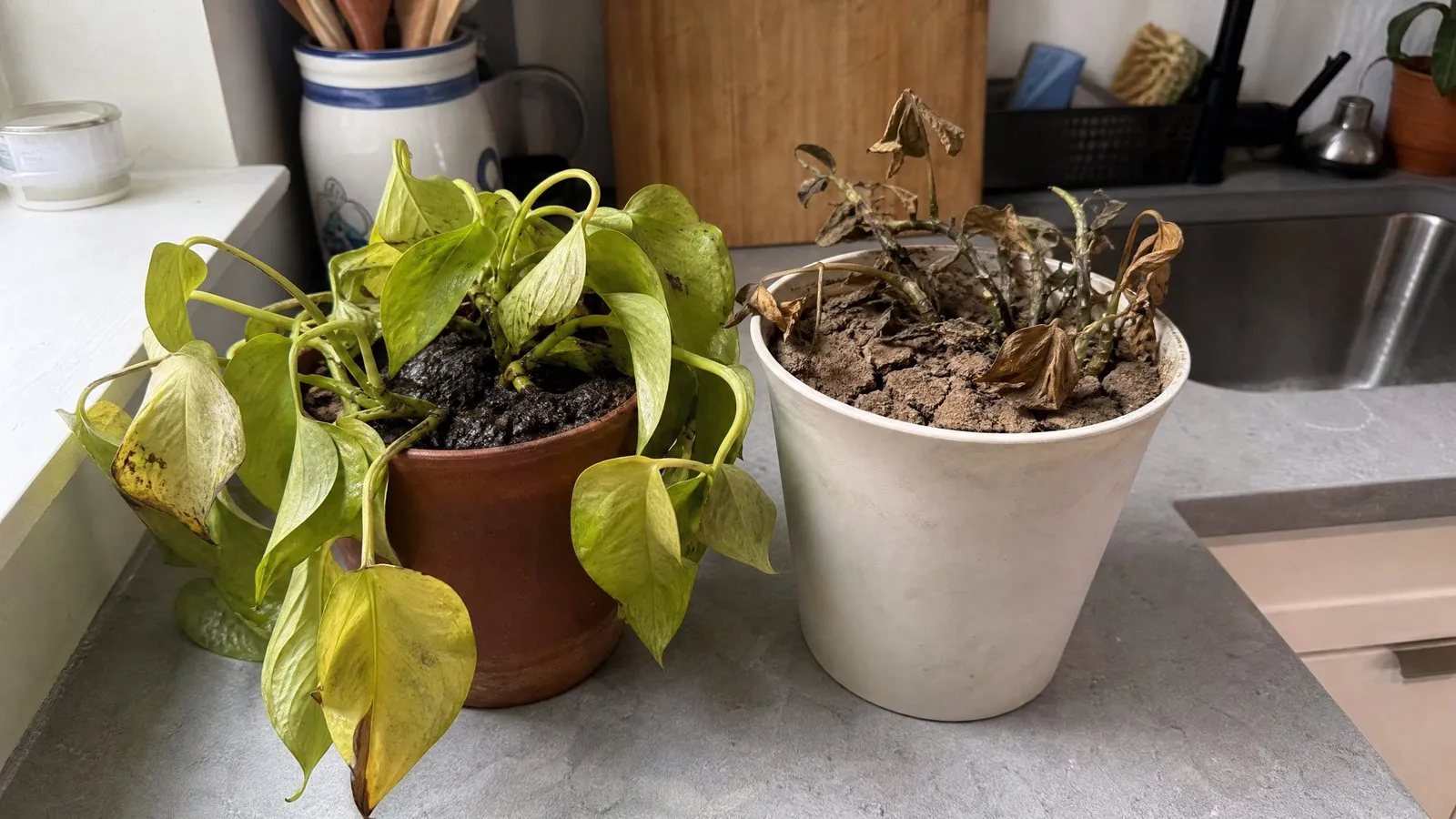
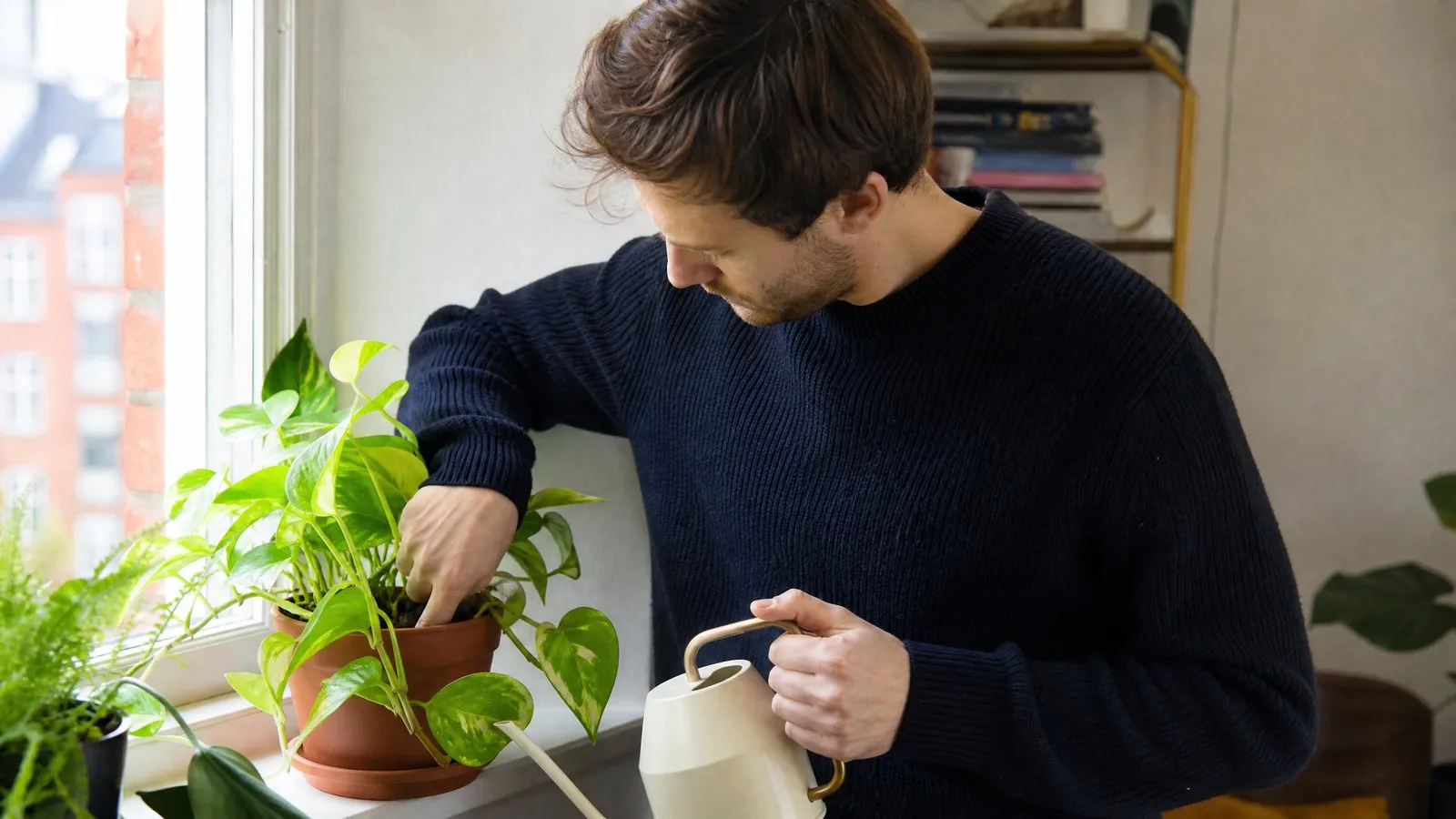
Here is the fastest way to tell the difference: stick your finger two inches into the soil. If it feels wet and the leaves are yellow, soft, or mushy, you’ve overwatered. If it feels bone-dry and the leaves are crispy, curling, or pulling away at the edges, you’ve underwatered.
Both problems can make a plant droop, which is why they get confused. But the soil tells you the truth almost every time. Let’s break down the signs, then walk through exactly how to rescue a plant on either side.
The quick symptom check
Before anything else, feel the soil and look at the pot. These two clues sort out most cases in under a minute.
- Push a finger 2 inches down. Cool and damp points to too much water. Dry and dusty points to too little.
- Lift the pot. A waterlogged pot feels heavy. A bone-dry one feels surprisingly light.
- Check for drainage. A pot with no drainage hole, or soil that stays soggy for days, tilts the odds toward overwatering.
If you want a system that stops the guessing for good, read How Often Should You Water Houseplants? (Stop Using a Calendar).
Overwatering vs underwatering: symptom comparison
Most plants show a cluster of signs, not just one. Match as many as you can.
| What you see | Overwatered | Underwatered |
|---|---|---|
| Leaf color | Yellowing, often lower leaves first | Browning, often tips and edges first |
| Leaf texture | Soft, limp, mushy | Crispy, dry, curling or crumbling |
| Leaf drop | Falls off green or yellow | Falls off dry and brittle |
| Soil | Stays wet for days, dark, maybe smells sour | Dry, pale, pulling away from the pot edge |
| Stems/base | Soft, dark, mushy at the base (rot) | Firm but may look shriveled |
| Growth | Slow, droopy despite wet soil | Wilting that perks up fast after watering |
| Pests | Fungus gnats, mold on soil surface | Rarely, though spider mites like dry stress |
| Roots | Brown, black, soft, smelly | Light tan, dry, intact but brittle |
Two tricky overlaps
Both cause drooping. An overwatered plant droops because its roots are suffocating and can’t take up water. An underwatered plant droops because there’s no water to take up. Same sad posture, opposite cause. The soil check separates them. There’s more on this in Why Is My Plant Drooping? How to Revive It.
Both cause yellow leaves. Overwatering turns leaves soft and yellow; underwatering browns them crispy first. If you’re seeing yellow and can’t place it, Why Are My Plant’s Leaves Turning Yellow? 8 Causes and Fixes walks through the other culprits too.
Fungus gnats are an overwatering flag
Those tiny black flies hovering around your plants lay eggs in the top inch or two of constantly damp soil. If you have them, your soil is staying too wet for too long. Letting the top dry out between waterings is half the fix. See How to Get Rid of Fungus Gnats in Houseplants for the rest.
Why overwatering is really a drainage problem
Here’s the thing most beginners don’t hear: plants rarely drown from one generous watering. They drown from staying wet. Roots need air pockets in the soil as much as they need water. When soil stays saturated, those pockets fill with water, roots can’t breathe, and root rot sets in.
So “overwatering” is usually some mix of:
- A pot with no drainage hole, or a decorative cover pot that traps runoff.
- Dense, water-holding soil that never dries out.
- Watering again before the soil has had a chance to dry.
- Low light and cool temperatures, which slow how fast a plant drinks.
Fixing the setup matters more than fixing the schedule. A good drainage hole and an airy mix forgive a lot of watering mistakes. Start with How to Choose the Right Pot (Size, Material and Drainage) and Potting Soil for Houseplants: What to Use and When to Mix Your Own.
How to rescue an overwatered plant
Act within a day or two of spotting mushy stems or a sour smell. Root rot spreads, and the sooner you intervene, the more plant you save.
1. Stop watering and move it to brighter, warmer air
Put the plant somewhere with bright, indirect light and good airflow. Warmth and light speed up drying. Don’t water again until you’ve done the next steps.
2. Slide the plant out and inspect the roots
Gently tip the plant out of its pot. Healthy roots are firm and light tan or white. Rotten roots are brown or black, soft, and often smell musty or sour. If the whole root ball is mush, the plant may be too far gone, but partial rot is very recoverable.
3. Trim the rot
Using clean scissors or snips, cut away every soft, dark root until you’re left with only firm, healthy tissue. Wipe your blades with rubbing alcohol between cuts if the rot is extensive. Remove any yellow or mushy leaves too, since the plant can’t support them while it rebuilds roots.
4. Repot in fresh, dry mix
Don’t reuse the old soggy soil. It’s waterlogged and may carry the organisms causing the rot. Repot into fresh, barely-damp, well-draining mix in a clean pot with a drainage hole. If you removed a lot of roots, step down to a smaller pot, so there’s less soil holding water around a reduced root system. Our step-by-step guide covers the details: How to Repot a Houseplant Without Killing It.
5. Water sparingly and wait
Water lightly to settle the soil, then let the top 2 inches dry before watering again. A recovering plant with fewer roots needs less water, not more. Hold off on fertilizer for 4 to 6 weeks; damaged roots can be burned by it. When you do restart, How and When to Fertilize Houseplants explains the gentle approach.
Expect some wilting or leaf loss for a week or two while the plant regrows roots. New growth is your sign it’s working.
How to rehydrate a bone-dry plant
Underwatering is usually the easier fix, as long as the plant still has living roots. The challenge is that very dry soil, especially peat-based mixes, can turn hydrophobic. Water runs down the gap between the soil and the pot and straight out the bottom without soaking in. The plant stays thirsty even though you “watered” it.
Bottom watering solves this.
Bottom watering, step by step
- Fill a sink, basin, or tub with 2 to 4 inches of room-temperature water.
- Set the pot (it must have a drainage hole) into the water so the bottom inch or two sits submerged.
- Leave it for 15 to 30 minutes. The soil wicks water up from below, soaking the root ball evenly.
- Check the top: when the surface feels damp, the soil has rehydrated.
- Lift the pot out and let it drain fully before returning it to its spot. Never let it sit in standing water afterward.
For stubbornly dry, shrunken soil, you can gently break up the surface with a fork first, or add a drop of mild dish soap to the water to help it penetrate. The full method, including when it beats top watering, is in Bottom Watering: When It Helps and How to Do It.
After rehydrating
A truly dry plant often perks up within hours to a day. Trim off any fully crispy, brown leaves, those won’t recover, but leave anything still partly green. Then go back to your regular check-the-soil routine so it doesn’t swing to the opposite extreme.
Preventing the swing between too wet and too dry
The goal isn’t a rigid schedule. It’s a rhythm you adjust to your home, because light, warmth, pot size, and season all change how fast soil dries.
- Check before you water, every time. Finger in the soil, 2 inches down. Water only when it’s dry at that depth (for most tropical houseplants) or fully dry (for succulents and snake plants).
- Match water needs to light. A plant in brighter light drinks faster; the same plant in a dim corner can stay wet for weeks. How Much Light Do Houseplants Need? helps you read your space.
- Use pots with drainage holes. If you love a decorative cover pot, empty any collected water 30 minutes after watering.
- Water thoroughly, then let it dry. When you do water, soak until it runs out the bottom, then don’t water again until the soil tells you to. Small sips encourage weak, shallow roots.
- Expect to water less in winter. Shorter days and cooler temperatures slow growth, so the gap between waterings often doubles.
University extension programs such as the University of Minnesota Extension and Penn State Extension consistently make the same point: overwatering is the most common way houseplants die, and it’s usually about drainage and frequency rather than the amount poured at once.
If you want a nudge that adapts to your plants and season, try our free Watering Planner, and if you’re still building confidence overall, Houseplant Care for Beginners: The 5 Things That Matter Most ties it all together.
When to accept a plant is beyond saving
Sometimes rot has reached the crown and base of the plant before you catch it. If the stem is mushy all the way through at the soil line, and there are no firm roots or healthy growth points left, the plant usually won’t recover. Check whether a healthy stem cutting can be propagated instead, forgiving plants like pothos and spider plants often let you start over from a single good piece.
This isn’t a health emergency, but if you’re dealing with a plant that may be toxic to curious pets, handle trimmed leaves and roots carefully and check Houseplants Safe for Cats and Dogs, which references the ASPCA’s toxic plant list.
FAQ
Can a plant recover from overwatering?
Often, yes, if you catch it before rot reaches the crown. Trim the rotten roots, repot in fresh, well-draining mix, move the plant to bright indirect light, and water sparingly while it regrows roots. New growth within a few weeks is your sign of recovery.
How long can I leave a dry plant before it’s too late?
It varies by plant, but many houseplants bounce back even after wilting badly, as long as the roots are still alive. Bottom water it right away. If leaves are crispy but stems and roots are still firm, there’s usually hope. If the whole plant is brittle and snaps, it’s likely gone.
Why is my soil wet but the plant is still drooping?
Wet soil plus drooping almost always means root rot: the roots are too damaged to take up water, so the plant wilts despite plenty of moisture. Check the roots and follow the overwatering rescue steps above rather than adding more water.
Should I mist my plant if it’s underwatered?
No. Misting wets the leaves but does nothing for dry roots, which is where the water needs to go. Bottom water or soak the root ball instead. Misting is for humidity, and even then its effect is brief, see How to Raise Humidity for Houseplants.
How do I know how much to water once I’ve fixed the problem?
Water thoroughly until it drains from the bottom, then wait until the top 2 inches of soil are dry before watering again. The time between will shift with light, season, and pot size, so keep checking the soil rather than following a fixed calendar.